
Introduction
Native plants can help create gardens that feel connected to the surrounding landscape while providing food, shelter, and breeding resources for local wildlife. The term native generally refers to plants that occur naturally in a particular region or ecosystem, but the geographic scale matters. A species native to one part of a country may not be native to another, and a plant suited to a mountain forest may not thrive in a dry coastal garden. For this reason, the best native-plant list is local rather than universal.A wildlife-friendly garden is not simply a collection of flowers. It is a habitat with varied heights, flowering periods, foliage, shelter, and sometimes bare soil or water sources. Native plants can contribute to this habitat, but their value depends on the insects and animals in the local ecosystem. Begin by learning which species naturally occur near your area and which are appropriate for the conditions in your garden.
Table of Contents
- Introduction
- Find reliable local plant information
- Choose plants for layers and seasons
- Support pollinators with flower diversity
- Provide shelter and nesting opportunities
- Match native plants to soil and water
- Build soil health without overfeeding
- Designing a native garden in a small space
- Maintenance that protects biodiversity
- Verify native status at the local ecosystem level
- Frequently Asked Questions
Find reliable local plant information
Consult regional botanical gardens, native-plant societies, conservation organizations, university extension services, and local ecological restoration groups. These sources can help distinguish truly local species from plants that are merely popular or commercially marketed as native. Ask for recommendations based on your elevation, rainfall, soil, and exposure. If possible, visit nearby natural areas to observe the kinds of vegetation that grow in similar conditions, while respecting protected sites and never removing plants from the wild.Use botanical names when researching. Common names vary from place to place and can refer to unrelated plants. Confirm that the plant is not invasive outside its natural range and that it is legally appropriate to grow. For gardens near protected habitats, watercourses, or conservation areas, local guidance is especially important. Buying from reputable nurseries that propagate plants responsibly reduces pressure on wild populations.
Choose plants for layers and seasons
A resilient planting includes more than one height. Groundcovers protect soil and provide low-growing habitat. Herbaceous perennials and grasses add seasonal flowers and seed heads. Shrubs provide shelter and nesting structure, while small trees create shade and vertical layers. The combination should reflect the natural vegetation of the region rather than imitate a generic meadow or woodland.Aim for a sequence of flowering and fruiting across the year. Early blooms can support insects emerging after cooler periods, while later flowers provide resources when other plants have finished. Seed heads and berries may feed birds and other wildlife, but do not assume every fruit is safe for people or pets. Leave some stems standing through the season if they provide shelter or seeds, and remove only what is necessary for safety or plant health.
Support pollinators with flower diversity
Pollinators benefit from a range of flower shapes, sizes, and blooming periods. Some insects can access open, shallow flowers, while others are adapted to tubular or more complex structures. Planting several species is generally more useful than relying on a single mass-flowering variety. Include flowers that provide nectar and pollen, and allow some plants to complete their flowering cycle rather than deadheading every bloom.Avoid pesticide use whenever possible, especially broad-spectrum products that can harm beneficial insects. If a pest problem appears, first identify the organism and assess whether it is causing meaningful damage. Many insects are harmless or are part of the food web. Use physical removal, pruning of badly affected parts, or other targeted approaches where appropriate. If a pesticide is considered necessary, follow the product label and local regulations, and avoid spraying flowers while pollinators are active.
Provide shelter and nesting opportunities
Wildlife needs more than nectar. Dense shrubs can provide cover for small birds, while grasses and seed-bearing plants create feeding opportunities. A patch of leaf litter can support decomposers and shelter small invertebrates. Some solitary bees nest in bare or lightly vegetated ground, so a garden that is entirely covered with thick mulch may provide fewer nesting opportunities. Leave a small, safe area of suitable habitat where practical.Keep water sources shallow and clean, with stones or textured edges that allow insects to land safely. Change water regularly to discourage mosquitoes and prevent algae buildup. Avoid introducing fish or other animals into natural waterways or ponds without understanding local ecological consequences. If you install a birdbath, clean it routinely and position it where birds have nearby cover but can still see approaching predators.
Match native plants to soil and water
Native does not automatically mean drought-proof or low-maintenance. Some local species grow in wetlands or along streams and need consistently moist soil. Others are adapted to rocky slopes and dry, exposed conditions. Match each plant to its natural habitat. Check soil texture, drainage, pH where relevant, and seasonal water availability before planting. A plant that belongs in a wet forest may fail in a hot, sandy bed even if both locations are within the same broad region.Water new plantings during establishment, even when they are locally adapted. The root system needs time to grow into surrounding soil. After establishment, reduce supplemental watering only when the species and local rainfall allow it. Mulch can help conserve moisture, but use materials and depths appropriate to the habitat. In some native grassland or dryland plantings, heavy organic mulch may be unsuitable because it changes surface conditions and encourages unwanted growth.
Build soil health without overfeeding
Healthy soil contains minerals, organic matter, air, water, and living organisms. Native plants are often adapted to local soil conditions and may not need the high fertility associated with intensive ornamental beds. Adding large amounts of fertilizer can encourage excessive soft growth, alter plant form, or favor weeds. Before amending soil, understand what is limiting growth. A soil test can be useful where pH or nutrient issues are suspected.Protect soil structure by limiting unnecessary digging and avoiding compaction when the ground is wet. Use locally appropriate organic matter if it is needed, and do not assume that imported compost is always beneficial in every habitat restoration setting. Remove invasive weeds before they produce seed, taking care not to disturb the soil more than necessary. Over time, leaf litter and plant roots can contribute to soil development and reduce the need for repeated amendments.
Designing a native garden in a small space
A native garden does not need to be large. A balcony can support locally suitable native species in containers, provided the plants can tolerate the root restriction and exposure. A small courtyard can use one compact shrub, a few flowering perennials, and a groundcover. A narrow border can become a pollinator strip if it receives suitable sunlight and has a sequence of blooms. The key is choosing species with mature sizes that fit the space.Use repetition to make a small planting feel intentional. Repeat a few species rather than buying one of everything. Combine plants with different forms and flowering periods, and leave enough space for airflow. If the garden is visible from indoors, consider the view in different seasons. A planting that includes seed heads, evergreen structure, and varied foliage can remain interesting after the main flowering period ends.
Maintenance that protects biodiversity
A wildlife-friendly garden still needs maintenance, but the timing and intensity can be adjusted. Avoid cutting every plant back at the same time. Leave some seed heads and stems through appropriate seasons, while removing diseased material or growth that creates a safety concern. When pruning shrubs, check for active nests and follow local wildlife protection rules. Remove invasive plants promptly and dispose of them responsibly so fragments or seeds do not spread.Keep records of what flowers, what attracts insects, and which plants struggle. This simple observation helps refine the garden over time. Replace unsuccessful species with alternatives suited to the same conditions rather than repeatedly forcing a poor match. If a plant spreads aggressively, identify it correctly and seek local advice before it becomes difficult to manage. A garden can be both attractive and ecologically thoughtful when maintenance decisions are based on observation.
Conclusion
Native plants can make gardens more resilient and useful to local wildlife when they are selected for the right region and habitat. Build a varied planting with different heights, flowering periods, seed sources, and shelter. Choose plants from responsible nurseries, avoid unnecessary pesticides, and manage water and soil according to each species’ natural requirements.The most successful native garden is not a fixed recipe. It develops through observation, local knowledge, and small adjustments. Start with a few well-suited species, learn how they respond to your site, and expand the planting as you gain confidence. Even a modest garden can contribute food, cover, and seasonal resources when it reflects the ecology of its surroundings.
Native plant planning by garden function
| Garden function | Plant traits to select | Planning consideration |
|---|---|---|
| Pollinator support | Varied flower shapes and bloom periods | Provide a sequence of flowers across seasons |
| Bird habitat | Seed, fruit, and shelter-producing species | Include layers of shrubs and trees where space allows |
| Soil protection | Ground covers and deep-rooted plants | Match species to slope, soil, and moisture |
| Low-water areas | Locally native drought-adapted species | Water during establishment, then adjust to conditions |
| Shade habitat | Native woodland or understory species | Match natural light and soil conditions |
| Small gardens | Compact native species with multiple benefits | Check mature size and spread before planting |
For further practical information, consult National Wildlife Federation native plant and wildlife gardening guidance.
Explore these related guides:
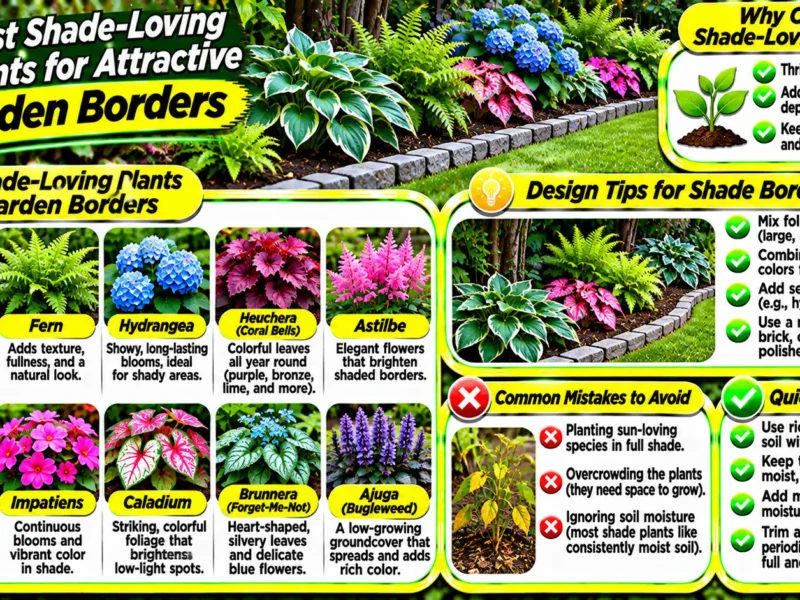
- Best Shade-Loving Plants for Attractive Garden Borders
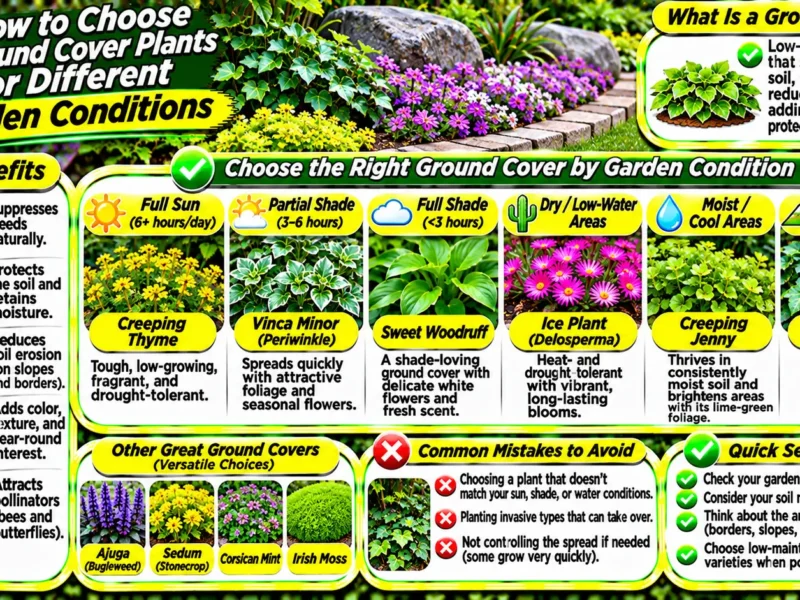
- How to Choose Ground Cover Plants for Different Garden Conditions
More related garden guides:
Verify native status at the local ecosystem level
“Native” is a regional designation, not a synonym for drought-tolerant, easy-care, or suitable everywhere in a country. A species native to one province, watershed, elevation band, or habitat may be poorly suited to another. Before choosing plants, identify the local ecosystem or ecoregion and verify that the species naturally occurs there. Prefer sources from botanical gardens, universities, government biodiversity agencies, and native-plant societies that provide a geographic range or habitat description.
Also check the exact species and, where relevant, the cultivar. A cultivated selection may differ from the local wild form in flower structure, fruiting, or other traits important to wildlife. Avoid collecting plants from the wild unless collection is legal and ecologically responsible; purchase nursery-propagated stock from reputable suppliers. Check current regional invasive-species lists as well, because a plant sold as ornamental can escape cultivation and spread beyond gardens.
Native plants can support local food webs, including insects that depend on particular host plants, while well-matched species may need less supplemental water once established. The National Wildlife Federation’s native plant guidance explains these habitat relationships, but its plant-finder resources are region-specific. For international readers, use the equivalent local biodiversity database rather than copying species lists from another continent. The best planting palette is one verified for the actual place, soil, and rainfall pattern.
Related Gardening Guides
Explore these related guides for more practical ideas and gardening advice:
- Choose the Right Garden Style for Your Home
- Best Shade-Loving Plants for Attractive Garden Borders
- Choose Trees and Shrubs for a Balanced Landscape
Frequently Asked Questions
What is a native plant?
A native plant occurs naturally in a defined region without having been introduced there by people. The relevant region should be specific because native ranges can vary widely.
Do native plants need less water?
Some locally adapted native plants need less supplemental water once established, but water needs vary by species, soil, rainfall, and planting conditions. Newly planted specimens still need establishment care.
How do native plants support wildlife?
They can provide locally relevant nectar, pollen, foliage, seeds, fruit, and shelter for insects, birds, and other animals. Benefits depend on the species and the local food web.
Can I mix native and ornamental plants?
Yes. A garden can combine native and non-invasive ornamental plants, provided each is suited to the site and does not displace local vegetation or create ecological problems.
6 thoughts on “Best Native Plants for a Resilient, Wildlife-Friendly Garden”