
Introduction
Deadheading is the removal of faded or spent flowers from a plant. For some flowering annuals and perennials, removing old blooms can encourage additional flowering or keep the plant looking tidy. In other plants, flowers naturally develop into attractive seed heads, provide food for wildlife, or are needed for seed collection. Deadheading is therefore a choice based on the plant’s growth cycle and the gardener’s goals, not a task that must be done to every flower.Before cutting, decide what you want from the plant. If you want a longer display, deadheading may help species that can produce successive flowers. If you want seeds, berries, or habitat value, leave selected blooms in place. Correct timing and cutting position help avoid damage to new buds and foliage.
Table of Contents
- Introduction
- Know how the plant flowers
- Use clean tools and make careful cuts
- Deadheading annual flowers
- Deadheading perennials and flowering shrubs
- When to leave seed heads
- Avoid common deadheading mistakes
- Make deadheading part of observation
- Decide which spent flowers to remove and which to leave
- Frequently Asked Questions
Know how the plant flowers
Some plants produce flowers continuously or in repeated flushes during favorable conditions. Removing spent blooms can prevent energy from being directed into seed production and may encourage new flower buds. Other plants have a single main flowering period and will not produce another flush after deadheading. Removing their flowers may improve appearance but will not necessarily extend the display.Learn whether the plant is an annual, perennial, shrub, bulb, or seed-producing ornamental. Read its label or a reliable species guide. Cultivars within the same group can differ in their response. Observe the plant through a season before adopting a routine, especially if it is unfamiliar.
Use clean tools and make careful cuts
Small, soft flower stems can often be pinched off by hand, while thicker stems are better cut with clean, sharp pruners or scissors. Remove the faded flower and its stem back to a healthy leaf, side shoot, or developing bud, depending on the plant’s structure. Avoid cutting into healthy leaves or removing more stem than necessary.Clean tools reduce the chance of spreading disease, particularly when moving between plants with suspicious spots or rot. If the flower stalk is soft or diseased, remove it and dispose of it appropriately. Do not leave wet, infected material in the middle of a dense plant where it can remain in contact with healthy growth.
Deadheading annual flowers
Many bedding annuals are grown for a long display and can benefit from regular removal of faded blooms. Petunias, marigolds, and some other annuals may continue producing flowers when old blooms are removed and growing conditions remain suitable. The exact technique differs: some varieties shed spent flowers naturally, while others benefit from pinching or trimming.Avoid removing new buds by cutting too far down the stem. Check for fresh side shoots and cut just above a healthy growth point. If an annual becomes leggy, a light trim may encourage branching, but severe cutting can delay flowering or stress the plant. Water and feed according to the species’ needs rather than assuming deadheading alone will maintain performance.
Deadheading perennials and flowering shrubs
Perennials vary widely. Some rebloom after the first flush, while others flower once and then develop seed heads. Remove faded stems from reblooming plants when recommended, but leave selected seed heads if they provide winter interest or food. For flowering shrubs, deadheading may improve appearance, but pruning must respect where the plant forms next year’s flower buds.Do not treat deadheading as a substitute for pruning. Removing a flower head is a small, targeted action; cutting back entire branches changes plant structure and may remove future flowering wood. If a shrub is unfamiliar, identify it and check its pruning timing before making larger cuts.
When to leave seed heads
Seed heads can feed birds and other wildlife, and they may provide habitat for insects. They also add texture to a garden after flowering has ended. Plants such as ornamental grasses and some perennial flowers can remain attractive long after petals fade. Leaving seed heads can also allow self-seeding, which may be desirable in a naturalistic planting.The trade-off is that some plants may spread more than intended, and diseased seed heads may need removal. If you want to collect seed, allow it to mature fully and store it in a labeled, dry location according to the species’ requirements. If you want to limit seedlings, remove seed heads before they release seed, while still leaving some material for wildlife where appropriate.
Avoid common deadheading mistakes
A frequent mistake is removing every faded flower without considering its role. This can eliminate food sources, seed production, and seasonal structure. Another mistake is cutting below healthy buds or removing too much foliage. Leaves are needed for photosynthesis, so stripping them away can weaken the plant.Deadheading during extreme heat or drought may add unnecessary disturbance. If a plant is already stressed, prioritize water and growing conditions before cosmetic work. Avoid working with wet foliage when disease is a concern, and clean tools between plants when necessary. Do not deadhead plants that are being grown specifically for fruit or seed unless you intend to remove that crop.
Make deadheading part of observation
A short inspection once or twice a week during peak flowering is often enough for a home garden. Look for faded blooms, developing side shoots, pests, and signs of stress. Remove only what benefits the plant or the design. If flowers are dropping naturally and the plant continues to bloom, extra work may not be needed.Keep notes about which species respond to deadheading and which do not. This helps avoid unnecessary labor in future seasons. Consider grouping plants with similar maintenance needs so the garden can be cared for efficiently. A well-planned border can include both plants that benefit from regular deadheading and others that are left to form seed heads.
Conclusion
Deadheading can extend flowering for some plants, improve appearance, and reduce unwanted self-seeding. Its value depends on species, flowering cycle, and the gardener’s priorities. Remove spent blooms with clean tools and careful cuts, but leave seed heads when they provide wildlife food, seasonal interest, or seed for propagation.The best routine is selective rather than automatic. Learn how each plant responds and balance continued flowering with the ecological and aesthetic benefits of letting some flowers mature naturally.
Deadheading methods by flower type
| Flowering habit | Deadheading approach | Important note |
|---|---|---|
| Flowers on individual stems | Remove the spent bloom above a healthy leaf or bud | Preserve developing buds |
| Flower spikes | Cut back the finished spike as appropriate | Some plants may produce side shoots |
| Repeated bloomers | Remove faded flowers regularly | Follow species-specific pruning guidance |
| Plants grown for seed | Leave selected blooms to mature | Deadheading prevents seed formation |
| Self-cleaning varieties | Deadhead only if appearance or plant health requires it | Routine removal may be unnecessary |
For more detailed guidance, consult University of Minnesota Extension pruning guidance.
Related articles:
- How to Divide Perennials and Rejuvenate Crowded Plants
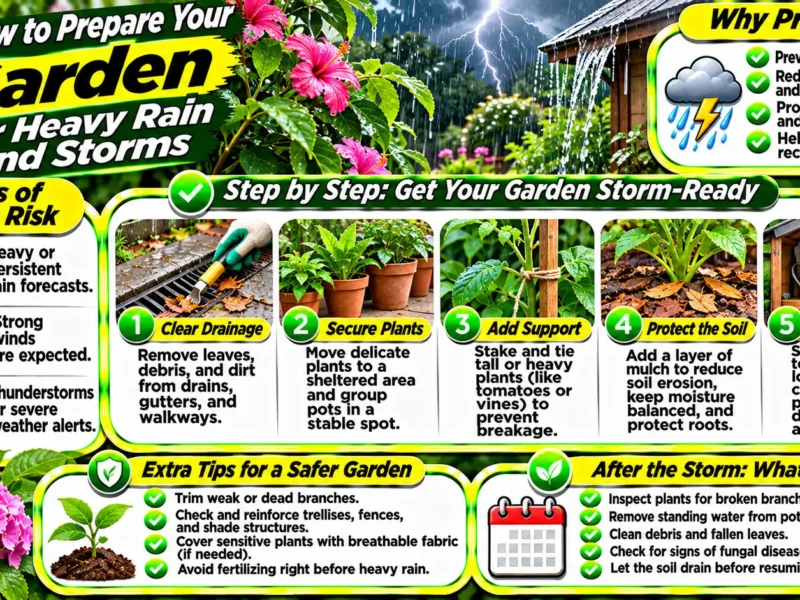
- How to Prepare Your Garden for Heavy Rain and Storms
Deadheading by flower type
| Plant or flower habit | Deadheading approach | Expected benefit |
|---|---|---|
| Repeat-blooming annuals | Remove spent blooms regularly | May encourage continued flowering |
| Repeat-blooming perennials | Cut back faded flower stems as appropriate | Can improve appearance and sometimes rebloom |
| Plants grown for seed or wildlife | Leave selected seed heads | Provides food and natural reseeding |
| Self-cleaning varieties | Usually little or no deadheading needed | Saves maintenance time |
| Diseased flower heads | Remove and dispose of affected material | Reduces debris and potential disease sources |
For further practical guidance, consult University of Minnesota Extension pruning guidance for garden plants.
Explore these related guides:
Decide which spent flowers to remove and which to leave
Deadheading is a choice, not a rule for every plant. Before cutting, decide what you want from the plant: another flush of flowers, a tidier appearance, seed for collection, natural reseeding, or food and shelter for wildlife. Removing spent blooms can redirect some plants away from seed production, but it will not make every species rebloom. Some plants flower once per season, while others produce new buds from side shoots after a careful cut.
| Plant goal or condition | Practical decision |
|---|---|
| Repeat-blooming annual or perennial | Remove faded flowers if the species responds with further blooms |
| Plant grown for edible or ornamental seed | Leave selected heads to mature and collect seed at the right stage |
| Native or wildlife-supporting plant | Leave some seed heads for birds and overwintering habitat |
| Plant with attractive winter structure | Delay cutting until the seasonal display has passed |
| Diseased or rotting flowers | Remove affected material and dispose of it appropriately |
For pollinator gardens, leaving some stems and seed heads can provide food and shelter, while selectively deadheading other plants can extend flowering. The Xerces Society’s native bee habitat guidance explains why stems and plant material can be valuable nesting habitat. Adapt the decision to local wildlife and avoid leaving diseased material where it can spread infection.
Related Gardening Guides
Explore these related guides for more practical ideas and gardening advice:
- Choose the Right Garden Style for Your Home
- Choose Trees and Shrubs for a Balanced Landscape
- Design Garden Borders for Year-Round Interest
Frequently Asked Questions
Does deadheading make every flower bloom again?
No. Some plants produce additional flowers after spent blooms are removed, while others flower once per season or do not respond with another flush. Check the species’ flowering habit.
Where should I cut off a spent flower?
The correct cut depends on the plant. Many flowers are removed just above a healthy leaf or bud, while some species need the entire flowering stem removed.
Can I leave spent flowers for wildlife?
Yes. Seed heads can provide food and habitat for birds and beneficial insects, and some gardeners retain them for winter interest. Deadhead selectively rather than removing every spent bloom.
Should I deadhead plants with attractive seed heads?
Not necessarily. Leave seed heads when they support wildlife, provide structure, or are useful for seed collection. Remove them when you want to limit self-seeding or encourage further flowering.

One thought on “Deadheading Flowers: When and How to Remove Spent Blooms”